Glued Batteries and Pentalobe Screws
Hardware Category
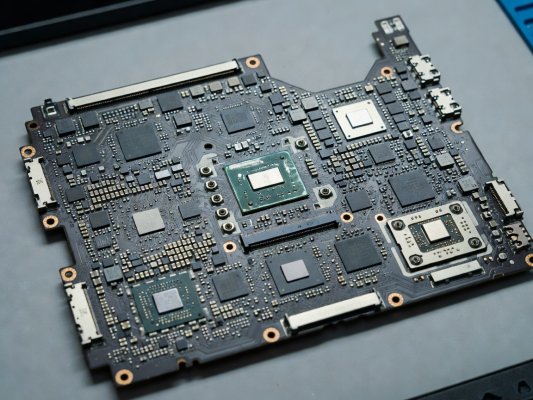
Consumer electronics have undergone a quiet revolution over the past decade. Thinner devices and sleeker designs have come at a heavy cost: modularity. Where you once unclipped a plastic backing to swap a degraded battery, you now need heat guns, isopropyl alcohol, and extreme patience.
The Pentalobe Invasion
It started with proprietary screw heads. Standard Phillips and flatheads were replaced by Torx, and eventually, the notorious Pentalobe. The goal was simple: keep the owner out of the chassis. By making the barrier to entry require specialized tools not found in a standard hardware store, manufacturers effectively discouraged casual DIY maintenance.
Chemical Adhesives Over Mechanical Fasteners
Our teardown data points to an alarming trend in laptops and flagship smartphones: the elimination of screws in favor of industrial-strength adhesives. Components like batteries, screens, and even logic boards are frequently glued to the outer shell. A repair process that should take five minutes now requires chemical solvents and risks puncturing lithium-ion cells.
| Brand / Device Class | Adhesive usage | Fastener type | Repair Score |
|---|---|---|---|
| Fairphone Series | None | Standard Phillips | 10/10 |
| Framework Laptops | None | Torx T5 | 9/10 |
| Flagship Smartpads (Various) | Extensive | Hidden/Glued | 2/10 |
Our stance remains firm: if you cannot safely remove a consumable component like a battery with basic hand tools, the product design is fundamentally anti-consumer. The right to fix your own things begins with the right to open them safely.